Discover more about the people who run Network Rail, our commitment to safety and sustainability and how we connect Britain through our infrastructure.
Our work keeps Britain moving. From maintaining and upgrading thousands of miles of track to delivering major infrastructure projects, we ensure the railway is safe, reliable, and sustainable.
Whether you're planning a journey or need station information, we can help. Discover everything from accessibility and safety to how we manage disruptions and support passengers.
We’re building a better railway for a better Britain—and we need passionate people to help us do it. Whether you're just starting out, changing direction, or looking to grow your career, we offer a wide range of opportunities.
Working with local people to help communities get the most from their railways.
What is Community Rail?
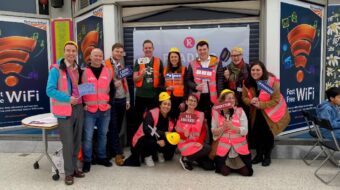
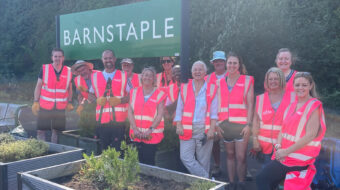
Community rail is a growing, grassroots movement that helps communities get the most from their local railway.
There are 75 community rail partnerships (CRPs) – community-based organisations working to promote and enhance local railway lines. Additionally, there are over 1,200 station ‘friends’ groups across Britain, and these numbers are growing each year.
Community Rail Network is the umbrella body for community partnerships, groups, and social enterprises working to connect communities with their railways, delivering social, environmental, and economic benefit.
Community Rail Network:
Support and advise the community rail movement through membership services and events;
Represent and advocate for community rail, sharing good practice and connecting community rail partnerships and station groups together;
Work with government, the rail and transport industry, and wider voluntary and community sector organisations to champion community rail.
Keep up to date with future news, projects and events from Community Rail Network via social media or sign up to receive Community Rail News.
Benefits of community rail
Community rail delivers wide-ranging community engagement initiatives and community-led projects, which play an important role in social inclusion, wellbeing, and economic development.
The movement promotes and widens access to rail as a key part of sustainable, healthy travel, while advising rail partners on local needs, helping communities get the most from their railways and have a voice on transport.
Answers to questions our community rail leads often get asked.
It depends on which station and what type of work is planned.
Most stations are leased to a train operating company (TOC) and then managed by them. Where a station is managed by a specific TOC, that TOC should be your first point of contact. They will be able to give guidance on what activities a group can undertake.
For large-scale station projects and which involve substantial work, such as building or installing something, both us and the TOC must be involved. Normally, the TOC will agree to a scope of work with the community group for which they will then seek ‘landlord consent’ from us.
Where work has the potential to impact on the operational railway, Network Rail may need to directly manage all or part of the project. Our asset protection team might need to be involved because they manage the interface with the operational railway. They will need to check that suitable arrangements have be made to manage the safety of the railway and anyone working on or near by.
You’ll need to ask Network Rail’s permission if you want to undertake activity at any of the stations we own or on land, buildings or infrastructure that is not covered by a train operating company lease. We issue community licences to give groups safe and controlled access to specific areas and to carry out pre-agreed activities.
In the first instance, contact the train operating company responsible for the station. If the property is outside their lease area, they will pass you on to our property team.
If you feel you have not got the response you hoped for, please contact us.
If the enquiry is commercial, you will need to follow the advice on our Property section.
If you conclude that the signal box you have in mind might be retained and made available for community use, and you are prepared to become involved in the process to achieve that, please contact us.
Community rail and the interaction with Governments
England
The Connecting Communities with the Railways is the government’s community rail strategy for England and Wales. Its approach supports community rail organisations to flourish as inclusive, independent, and sustainable groups, to deliver the strategy’s four key pillars:
Providing a voice for the community
Promoting sustainable, healthy and accessible travel
Bringing communities together and supporting diversity and inclusion
Supporting social and economic development
Great British Railways: the Williams-Shapps Plan for Rail prioritises community rail. Under the new organisation, Great British Railways: “Community rail partnerships will be empowered to strengthen rail’s social and economic impact.”
ScotRail in the Community aims to make the railway an engine of social and economic regeneration; to generate engagement with local communities and support Scotland’s social, environmental, and economic objectives.
Transport for Wales wants to be good neighbours and work closely with local communities, through Community Rail Partnerships and an ‘Adopt a Station’ scheme.
All the information you need to get involved with community rail. Finding a group in your area The Community Rail Network publishes a map of its members, across England, Scotland, and Wales. Community Rail Partnerships ...
We facilitate access and change to our land and property, so that community rail groups can undertake their activities. Our role in community rail We have around 20 community rail leads across our routes and...