Discover more about the people who run Network Rail, our commitment to safety and sustainability and how we connect Britain through our infrastructure.
Our work keeps Britain moving. From maintaining and upgrading thousands of miles of track to delivering major infrastructure projects, we ensure the railway is safe, reliable, and sustainable.
Whether you're planning a journey or need station information, we can help. Discover everything from accessibility and safety to how we manage disruptions and support passengers.
We’re building a better railway for a better Britain—and we need passionate people to help us do it. Whether you're just starting out, changing direction, or looking to grow your career, we offer a wide range of opportunities.
We’ll cut our carbon so that the railway will be net-zero emissions by 2045 in Scotland and by 2050 in the rest of Britain.
It’s crucial that we do everything we can as a business to improve air quality, minimise our use of fossil fuels, and transition to an industry powered by green, renewable, low-carbon energy to play our part in tackling the global climate crisis.
That’s why we’re proud to be the first railway organisation in the world to set ambitious science-based targets to cut carbon emissions and help limit global warming to 1.5°C. And we’re working with suppliers so that, by 2025, 75% of our suppliers, when measured by their emissions, have science-based targets too.
How are we going to reduce our emissions?
Get officially certified: By December 2025, we will achieve PAS 2080, which is a globally recognised gold standard seal of approval for managing and reducing carbon in infrastructure projects.
Tackle our entire footprint: We aren’t just looking at our own buildings; by late 2025, we will set firm targets to reduce Scope 3 emissions – the carbon created by our suppliers and partners.
Switch to electric vehicles: We will work with the Office of Zero Emissions Vehicles (OZEV) to agree a target date for when every single car and van in our fleet will be 100% zero-emission.
Electrification of the railway: We would have progressed with further rail electrification and be planning to introduce battery-powered passenger trains, moving away from fossil fuels as part of a new long-term Future Electric Railway strategy.
Ban new gas assets: Starting in April 2029, we will stop installing new gas assets in any of our projects.
Reduce diesel train emissions: We will cut emissions from diesel trains by at least 25% by 2029 (against a 2018/19 baseline).
More goods on rail: By March 2029, we want to move 7.5% more freight by rail rather than road, which is much better for the environment.
Green energy: We will connect more of our assets directly to renewable energy sources like wind and solar farms.
Reduce Carbon Emissions: By 2050, we aim to have reduced our direct (Scope 1 and 2) carbon emissions by 90%.
Build smarter: We will change how we build and repair tracks to use low-carbon materials.
Reduce rail emissions: We will continue to reduce emissions through the introduction of new technologies and further network electrification as well as further reducing the use of diesel trains.
By reducing road and rail emissions, we can improve UK air quality. We want to improve air quality for all those that use or live near our railway.
Air emissions from activities like using diesel engines can have a noticeable impact on air quality, and can have negative impacts for our people and the communities we serve. That’s why we’ve committed to managing air quality as part of the Greener Railway strategy by delivering against our air quality improvement plans for all of our managed stations.
We're committed to delivering a greener railway that connects people and moves goods for generations to come. It's not just about delivering green projects; it's also about embedding sustainability into everything we do. How do...
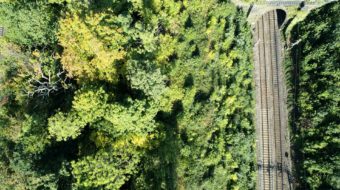
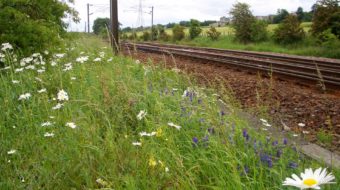
As one of Britain’s biggest landowners, we are responsible for looking after plants and wildlife on the railway. Biodiversity is the variety of plants and animals we see in different habitats. Britain’s railway provides a...
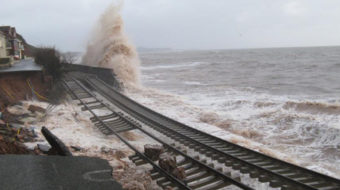
We prepare for the weather's impact on our network by forecasting it daily and understanding the projected effects of climate change. Weather: the challenges we face More frequent and extreme weather caused by climate change...
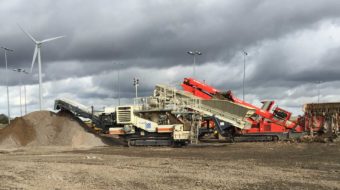
We must reduce, re-use and recycle the materials we use to avoid waste. We have a big opportunity to support a more circular economy. That means using fewer natural resources, keeping materials in use for...