Biodiversity on Britain’s railway
As one of Britain’s biggest landowners, we are responsible for looking after plants and wildlife on the railway.
Biodiversity is the variety of plants and animals we see in different habitats. Britain’s railway provides a habitat to many rare species, and we must do everything we can to protect them.
Our estate, which is about 52,000 hectares in size, is also used by many different types of wildlife. Often referred to as the ‘green corridor’, the land around the railway is home to a richly diverse variety of species. We do everything we can to protect it.
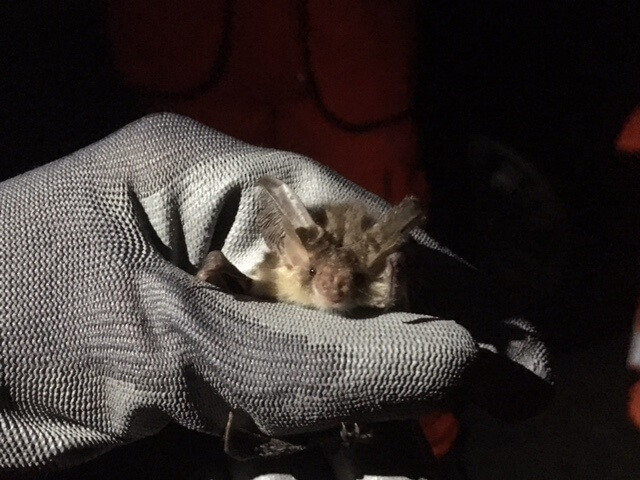
The ‘green corridor’ is relatively undisturbed thanks to a lack of public access. For example, common lizards, grass snakes, deer and water vole make their homes close to the railway in East Anglia, while slow worms have been spotted in the south-west of England. Pipistrelle bats also often live on the railway, roosting in trees, tunnels and bridges.
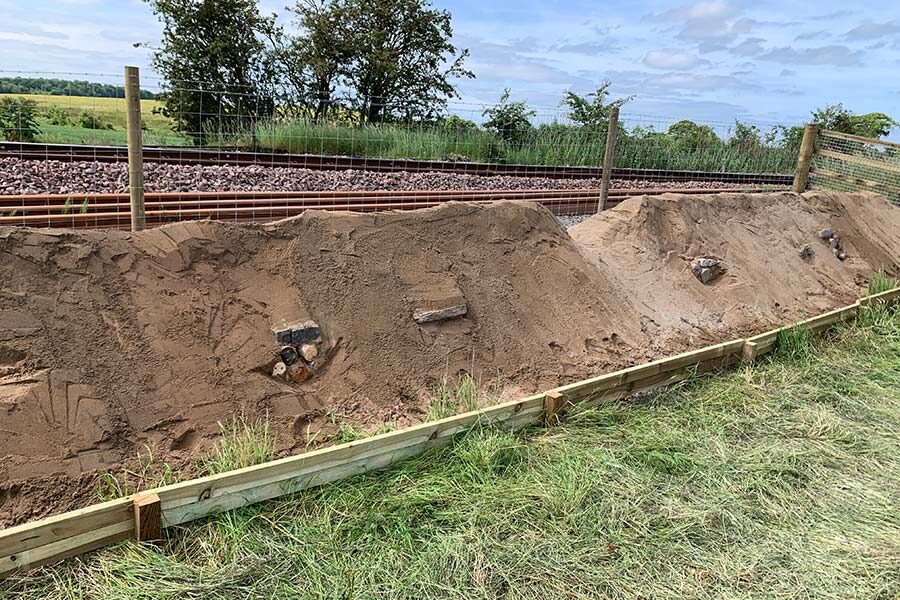
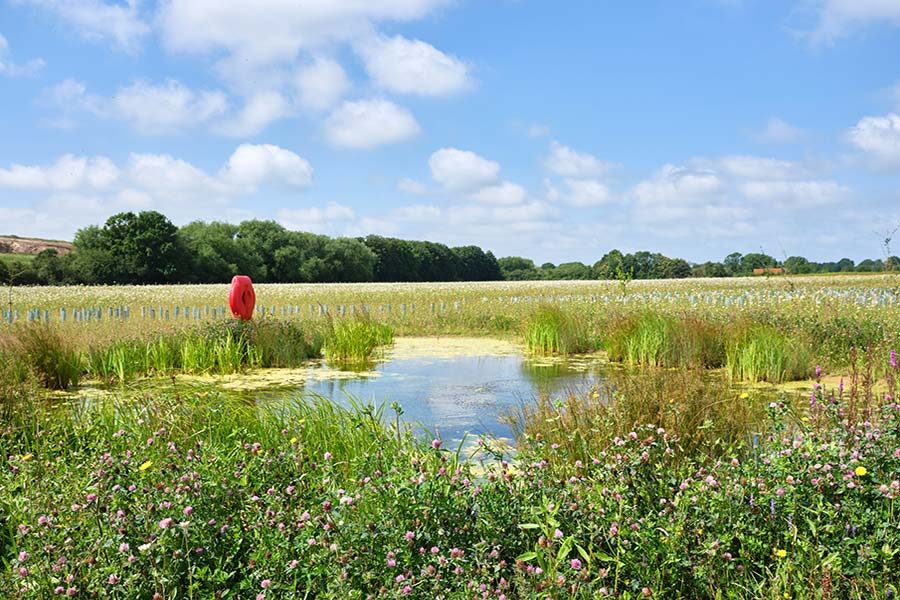
The railway plays a vital role in connecting fragmented wildlife habitats across our countryside, reducing disturbance to our neighbours, and capturing carbon through the network’s six million trees.
That’s why our ambition is to let nature flourish. As part of our Greener Railway strategy, we’ve committed to continuing to look after plants and wildlife by protecting and maintaining their habitats and creating new ones to increase biodiversity.
What are we doing to support nature’s recovery on the railway?
Over the next five years, we’ll transform our approach to vegetation management to deliver a safe, efficient, and biodiverse railway fit for the future.
We’ve worked with biodiversity experts using satellites to survey the whole of our estate, which condensed together, is one and a half times the Isle of Wight size.
The satellite data allows us to split our land into different habitats, including woodland and various kinds of meadows. Using this information, we can look beyond our fence line and find similar habitats near us. So, we can then work with our neighbours to improve the connections between different habitats and increase biodiversity on the railway.

Educating our workforce
It’s our trackside workers who come face to face with wildlife most often. We give them the training they need to help identify the wildlife they might come across so they can record sightings and then report to one of our environmental specialists. Our in-house ecologists also provide identification checklists and awareness briefings.
The video below, about identifying the habitats of Great Crested Newts, is part of a series provided for railway workers by the Track Safety Alliance, an industry-wide group created to develop and share best practice, largely focused on improving the health, safety and wellbeing of track workers.

Trees and other railway habitats


Our biodiversity targets
2035
- Managing our biodiverse habitats in a way that protects and enhances that biodiversity but also enables a safe environment for our staff, passengers and freight trains.
- Lead the way in land management, demonstrating to others how to manage biodiversity alongside operational infrastructure.
State of Nature reporting
Network Rail has to write an annual State of Nature report as a result of a recommendation from a Government review in 2018. We publish the extent of habitats on our estate each year and calculate the number of biodiversity units. Our report also provides an opportunity for the business to share the good work that has taken place in the form of case studies.
Nature stories from around the railway
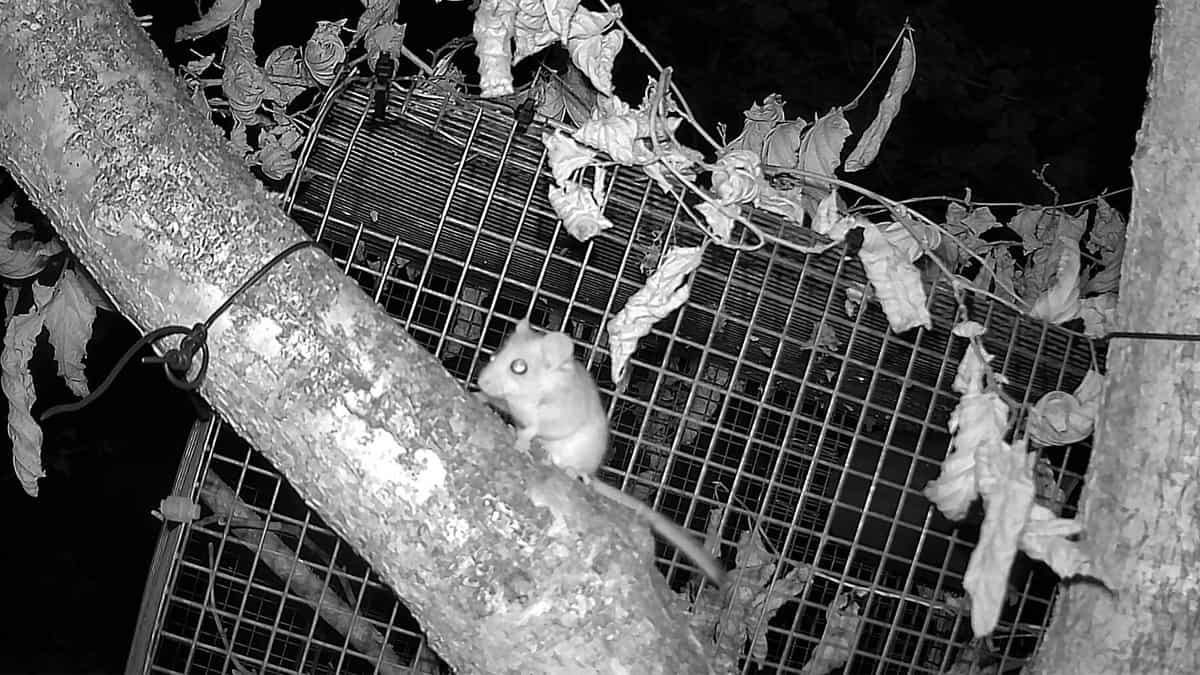
Using artificial intelligence to help our furry neighbours
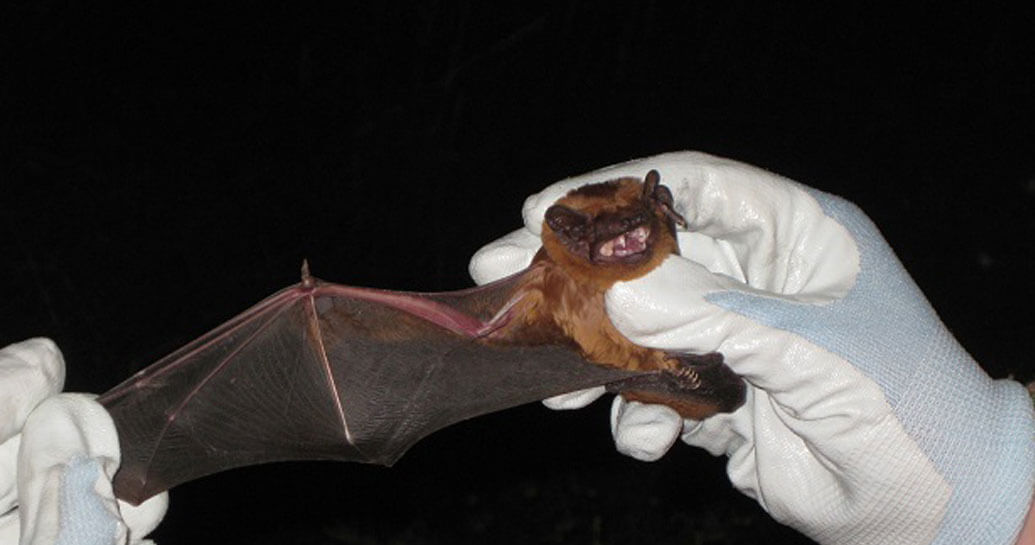
Bats: our flying commuters
Related pages
Sustainability
Supporting the delivery of net-zero
Climate change