Iconic infrastructure
We’re proud to be custodians of Britain’s railway infrastructure.
Stations
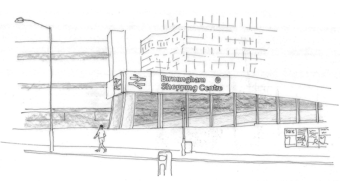
The history of Birmingham New Street station
New Street has seen significant changes in its history. Birmingham was the northern terminus of the first inter city railway from London and growing demand for rail services in the 19th century led to the...
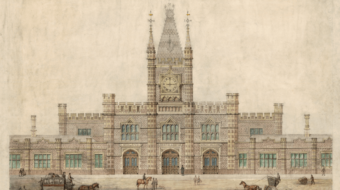
The history of Bristol Temple Meads station
Built as the western terminus of the Great Western Railway’s main line from London to Bristol. Bristol Temple Meads station has undergone many changes as it outgrew Brunel’s original building and became the railway gateway to...
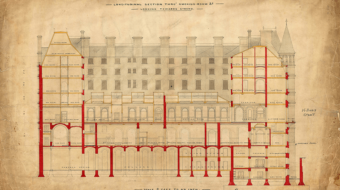
The history of Charing Cross station
Charing Cross is London’s most central terminus. The South Eastern Railway already had a presence at London Bridge station, however the Company soon realised that a large number of its passengers from the developing southern commuter...
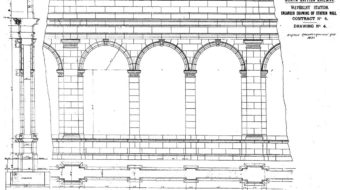
The history of Edinburgh Waverley station
Edinburgh Waverly station Edinburgh Waverly sits in a prominent position between the Old and New Town and was the flagship station for the North British Railway when it first opened. Since then, it has gone...
The history of Glasgow Central station
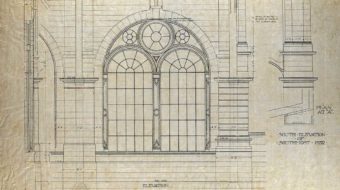
The larger of two stations in Glasgow and the busiest station in Scotland. An uneasy rivalry and a burgeoning city were the perfect combination for the emergence of Glasgow Central Station. Rapidly rising passenger numbers...
The history of Leeds station
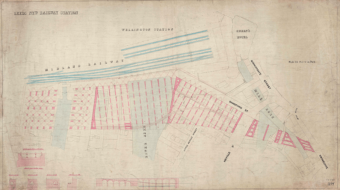
Today’s Leeds station is a historical combination of the former Wellington and Leeds New stations. Leeds' railway history began in 1758 when permission was granted to build a wooden wagon-way to haul coal from Middleton to...
The history of London Bridge station
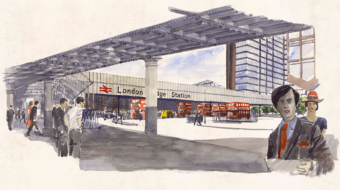
London Bridge is the capital’s oldest railway station and has undergone many changes in its complex history. It has always been a busy station and it has adapted to meet demand. Its story reflects the ambition,...
The history of London Cannon Street station
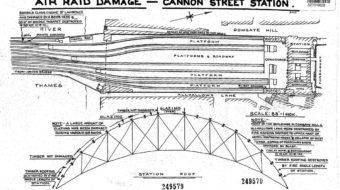
Opened in 1866, London Cannon Street connects the south and south east of London with the city. It serves as an intermediate station between London Bridge and Charing Cross. It has an iconic design by...
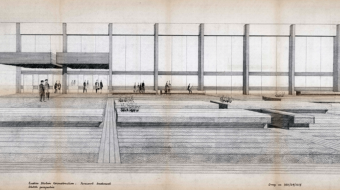
The history of London Euston station
Euston station was the capital’s first mainline station and the first to connect London with another city. The original Euston station opened in 1837. However, it was completely rebuilt in conjunction with the electrification of the...
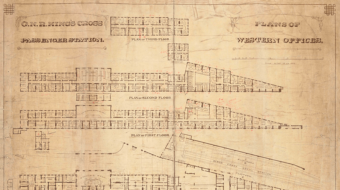
The history of London King’s Cross station
The story of London King's Cross station is one of decline and renewal. Commended for its simplicity when it opened, the station soon became overcrowded as rail traffic increased in the nineteenth century. Although a major...
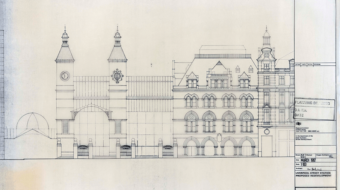
The history of London Liverpool Street station
Liverpool Street has a reputation as a bustling commuter station having been built in the City of London. However, its Great Eastern lines also take passengers to holiday destinations and historical towns in the east...
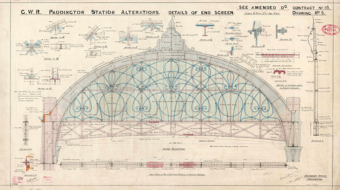
The history of London Paddington station
Paddington station is the grand terminus for the Great Western Railway that Isambard Kingdom Brunel always intended. Its history reflects that of the railway throughout the 19th, 20th and into the 21st century. Original plans abandoned...
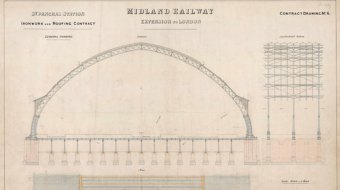
The history of London St Pancras International station
St Pancras is a 19th century station that delivers a 21st century regional, intercity, continental and high speed railway to London Owned by HS1 Limited and managed by Network Rail, today it is a key London...
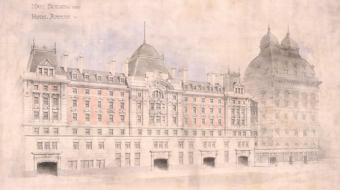
The history of London Victoria station
Victoria is two stations in one, telling the story of intense rivalry between railway companies in the 19th century. Located in the heart of London’s west end and offering speedy connections to seaside resorts, sea ports...
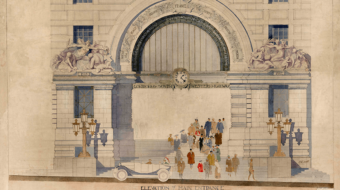
The history of London Waterloo station
Waterloo is Britain’s largest and busiest station. London Waterloo has always been a place for important arrivals and departures. Whether city commuters, holiday makers, Epsom race goers or armed forces. Serving city and country Replacing the...
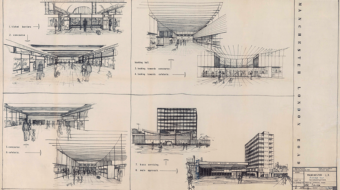
The history of Manchester Piccadilly station
Manchester was already at the heart of industrial revolution when the railway came to the city in 1830. The potential to link the city with other industrial towns and cities has made Manchester an important centre...
Bridges and tunnels
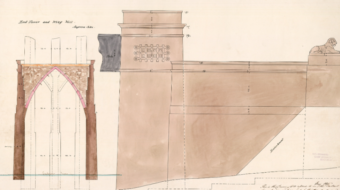
The history of the Britannia Bridge, North Wales
The Britannia Bridge made use of Robert Stephenson’s iron tubular bridge design. When built it had the longest continuous wrought iron span in the world. Devastated by fire in 1970, the bridge was rebuilt using...
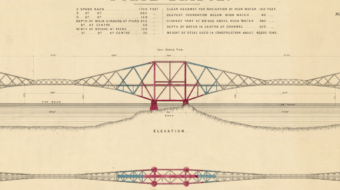
The history of the Forth Bridge, Fife
The Forth Bridge is a celebrated Scottish landmark, and a milestone in the development of railway civil engineering. It was the first major structure in Britain to be made of steel and its construction resulted in...
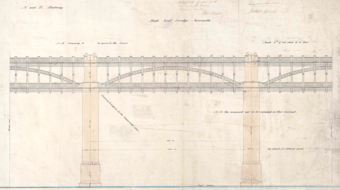
The history of the High Level Bridge, Newcastle
Opened in 1849, High Level Bridge at Newcastle was part of the objective to create a continuous line from London to Edinburgh. Designed by Robert Stephenson, the bridge was to combine rail and road traffic. It...
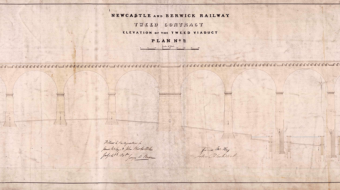
The history of the Royal Border Bridge, Berwick
The Royal Border Bridge was the last link in completing a continuous railway line running between London and Edinburgh. Designed by Robert Stephenson, the bridge was a more traditional masonry structure than its contemporaries the High...
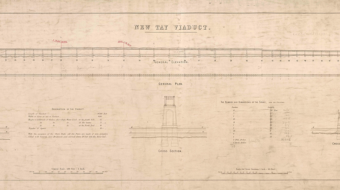
The history of the Tay Bridge, Dundee
A key structure in the Scottish railway route, the Tay Bridge brought increased travel and trade opportunities to the east coast of Scotland. From the Tay Bridge disaster of 1879 a new structure emerged which set new...
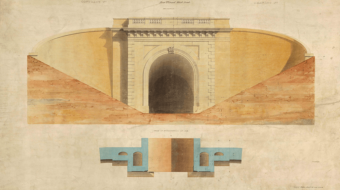
The history of Box Tunnel, Wiltshire
At the time of opening, Brunel’s Box Tunnel was the longest railway tunnel ever built. Controversial from the start, its problematic construction delayed the completion of the Great Western Railway’s London to Bristol route until June...
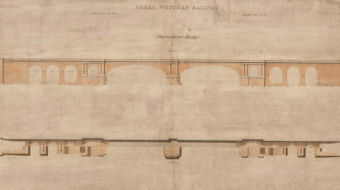
The history of the Maidenhead Bridge
When it was built, Isambard Kingdom Brunel’s Maidenhead Bridge over the River Thames boasted the flattest yet widest brick constructed arches in the world. Photo credit: Richard O'Keeffe Historical timeline of the Maidenhead Bridge 1835: 31...