Two years ago, the Environment Agency created the Chief Regulator's Group to provide strategic leadership for regulation. We’re helping create a more consistent, effective and proportionate regulatory system and strengthening the connection between strategy, policy and delivery.
Each time we publish the latest assessment of England's waters through the Water Environment (Water Framework Directive) Regulation classification, a familiar headline emerges: only a minority of rivers, lakes and estuaries achieve "good" overall status. It's a figure that invites a simple reading: that progress is “too slow”, that investment “hasn't delivered”, that the water environment is stagnating or declining. Those concerns are understandable, but they …
Waste crime isn't fly-tipping. It's a billion-pound criminal enterprise in which organised crime groups exploit the waste industry to launder money, evade tax, undercut legitimate businesses, and pollute communities and the environment, while presenting themselves as lawful operators. These criminals …
In the middle of another hot, dry summer we can see our climate is changing. When we head into winter this translates into more rain, more runoff, and more pressure on slurry storage. Getting ahead now can help protect your land, your business and the waterways your community depends on.
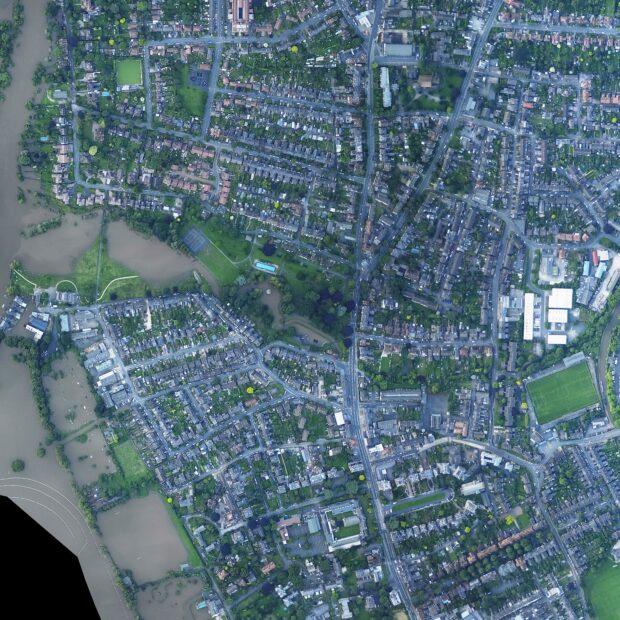
In July 2021, thousands of Londoners watched floodwater enter their homes, businesses and communities with little warning, turning an ordinary summer day into an unforgettable one. Over two separate days, extreme rainfall overwhelmed parts of the capital, causing widespread flash flooding across 24 boroughs. Homes, …
We are now receiving applications for the Lowland Peat Water Implementation Grant as announced in New funding boost to protect England's iconic peatlands - GOV.UK Up to £36 million is available to install infrastructure that will allow applicants to better manage water for lowland peat areas. Follow this link for more details and how to …
I didn’t come from a regulatory or environmental background, but I’ve always had a deep-rooted passion for nature. Growing up, I spent a lot of time gardening with my parents and grandparents, learning the value of patience, care, and respect for the natural world. As my career progressed, I became increasingly aware of the pressures being placed on our environment and it felt …
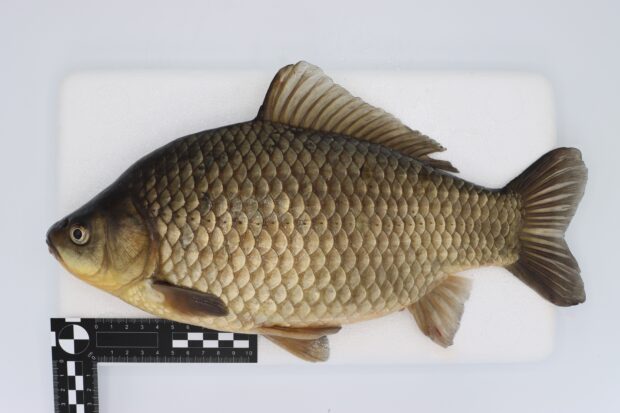
This week marks Invasive Non-Native Species (INNS) Week, a chance to shine a light on the quiet, often unseen work protecting our waters.
The Environment Agency has issued a warning letter to the River Roding Trust following an investigation into unpermitted work carried out at Alders Brook in Ilford.
Flooding affects many communities across England. As climate change increases the frequency and severity of extreme weather events, new Environment Agency research shows that ensuring our approach to flood risk management is both effective and equitable has become more important than ever.