
Recommended Starting Points
These are the fundamental guidance articles to start with - scroll down for more specific guidance and related content



Introductory Level
This guidance outlines the particular sabotage threat and provides a toolbox, signposting users to relevant useful guidance
An essential tool to enable you to produce a clear, considered, high-level statement of security needs based on the risks faced
This page provides owners and operators with security advice for the installation, operation and contracting of locker banks’
Physical and personnel security measures for major events require specific consideration due to their dynamic and complex character.
There are several reasons why organisations might need to assess their security culture. NPSA’s Security Culture Tool is an online, self-serve tool that supports organisations in doing so.
NPSA is proud to announce the release of a test standard for this technology – Discriminative Threat Detection (DTD) Systems Test Method
The Think before You Link campaign, on which the TBYL App is based, can help keep you, your colleagues, and the country safe from being targeted by malicious profiles online
NPSA have produced a short film which introduces the quick actions a member of staff within a retail outlet can take to lockdown their premise during a terrorist incident
If you're new to the topic, get started here with this helpful insider risk overview
This webpage outlines five key principles underpinning NPSA advice and guidance
The intelligent, co-ordinated promotion of protective security provision to the hostile.
The National Protective Security Authority (NPSA) has released a new video to highlight the guidance on designing public spaces with consideration to Hostile Vehicle Mitigation (HVM).
It is important that you understand the risks associated with deploying these technologies, whether they relate to location sensitivities, data protection considerations or privacy concerns
Increase awareness relating to fraudulent documentation and improve the vigilance of your security personnel
The Terrorism (Protection of Premises) Bill - Martyn's Law - has been introduced to Parliament, requiring those responsible for public premises and events to consider the threat from terrorism and implement appropriate mitigation measures
Intermediate Level
An introduction for Local Authorities, Event organisers, and similar end user groups on using temporary Vehicle Security Barriers (VSBs) as part of a HVM scheme - which itself should be one piece of a wider security plan.
Perimeter Intrusion Detection Systems is a generic term which covers a wide range of technologies designed to provide advance warning of an intruder gaining access to a secure area
NPSA has recently updated its guidance on the use of private sector explosives detection dog services
Vulnerabilities in the physical security of the data centre in which your data is stored may leave data at risk. Data centre owners should be able to demonstrate a robust layered approach to physical security at their sites, including perimeter and buildings.
Screening people and their belongings at entry points helps reduce the likelihood of explosive devices, weapons, and other hazardous or prohibited items being brought into buildings or sites
NCST are highly functional computers which are connected to a network and need to be suitably protected
Guidance for organisations’ senior leaders, highlighting the importance of senior leadership in achieving effective security
Organisations may use search and screening measures to detect specific items and materials entering (or leaving) their buildings and sites
NPSA has developed a bespoke tool to help security managers in the UK obtain a realistic estimate of the cost of losing a critical asset
Data centres operators and their customers should both have individual risk management strategies designed to protect their critical assets and systems.
Data centres operators and their customers should both have individual risk management strategies designed to protect their critical assets and systems.
This guidance highlights the primary security concerns arising during the ingress and egress phases of venue operations, outlining various strategies for mitigating the related risks.
NPSA has prepared a checkpoint simulator to allow security managers to quickly assess the impact of search and screening on entry
In most data centre operating models, the security of the perimeter, site, and building will be the responsibility of the operator. To successfully mitigate the risk of an attack, it is important to understand how threats to your site, workforce or assets can manifest themselves.
Briefing templates for upskilling staff with search duties
Guidance covering a wide range of topics that will help keep your public premises and events safe and secure, intended both for security managers and other managers whose responsibilities include security
In conjunction with technology developers, end user site owners and operators, government stakeholders and independent experts, NPSA has produced a Discriminative Metal Detection (DMD) Systems Test Method.
Bulk deliveries can provide a means for getting explosives, weapons and other threat items through a site’s secure perimeter.
Advanced Level

Gunshot detection systems typically comprise of sensors (optical and/or acoustic) that accurately and reliably detect live ammunition (gunshots) being discharged

NPSA have developed this guidance as we often see security being considered too late in the design process where the physical security measures conflict with the design aspirations

The purpose of this document is to support those tasked with drafting, developing or reviewing policies and procedures for evacuation, lockdown and invacuation

Guidance to provide high level, practical advice to anyone looking to formulate a Site Security Plan, assisting in developing a proportionate plan which aims to mitigate Terrorist and State threats, whilst supporting in countering many other types of security or safety threats.
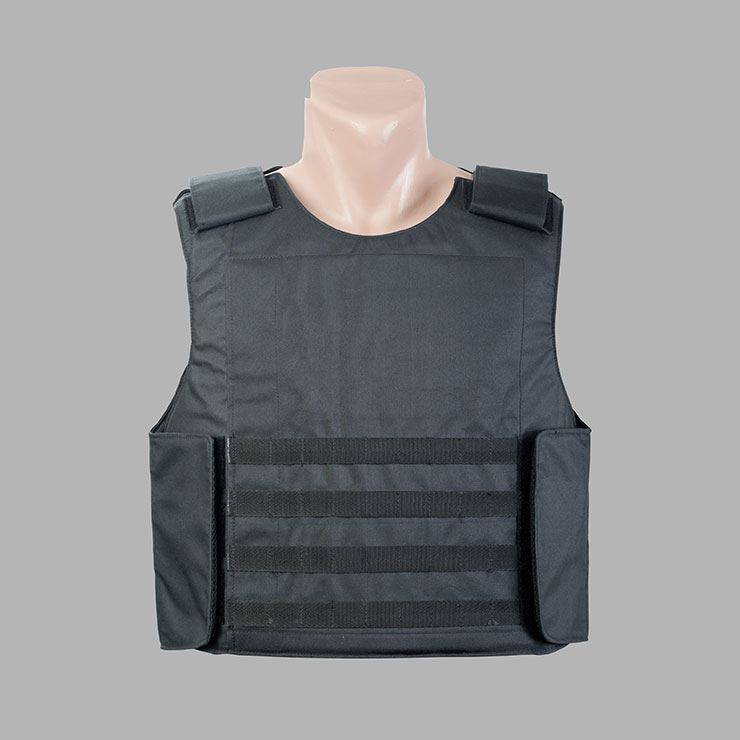
A suite of documents intending to guide managers in the selection, procurement and management of appropriate body armour for their civilian security staff
All Levels
This series is for anyone working in the election space, including but not limited to central or local government officials, candidates, campaigners, returning officers and polling station staff
This provides generic guidance on developing security-informed safety assurance using a combined approach
This page and guidance documents provide information on assuring safety systems so they are also secure
Scenario-based guidance to developing a security-informed safety case analysing security and safety policies and requirements
This document provides a worked example of an assurance case analysing the architectureand implementation details
Appendices for the Rail Code of Practice for Security-informed Safety guidance
This document provides guidance on a set of building blocks and the Claims, Argument and Evidence (CAE) ‘normal form’, discussing the important connection rules that place constraints on the way that claims, argument and evidence are combined in a CAE structure
This document presents generic guidance on the individual concepts of Claims, Arguments, and Evidence (CAE)
A Hazop can be a lengthy process that needs to be planned in advance and both project and operational plans have to be in place
Guidance on the cyber-security risk assessment process for critical national infrastructures.
Review and challenge are fundamentals to the process of developing a case that there is justified confidence in
This guidance provides a consolidated summary of the key concepts of Claims, Arguments and Evidence (CAE) and their application
This guidance is an aid-mémoire providing a summary of the licensable activity, types of licence and an overview of the training
Guidance on selecting, purchasing, using and decommissioning mechanical and electro-mechanical key locks, covering master key systems, secure key control procedures and risk mitigation for protecting UK national infrastructure
Locks and locking hardware need to provide security against forcible and/or surreptitious attack
Security officers play a crucial role in the protection of an asset and consideration of their safety and protection is needed
When deploying digitally connected physical security systems in the modern world, is it important to use products that have been independently tested to help withstand cyber threats. This guide sheds light on the different cyber standards available to organisations and products
When deploying digitally connected physical security systems in the modern world, is it important to use products that have been independently tested to help withstand cyber threats. This guide sheds light on the different cyber standards available to organisations and products


