Recommended Starting Points
These are the fundamental guidance articles to start with - scroll down for more specific guidance and related content




Introductory Level
This page provides owners and operators with security advice for the installation, operation and contracting of locker banks’
Physical and personnel security measures for major events require specific consideration due to their dynamic and complex character.
Guidance of the mitigation of the risks associated with the use of fire as an act of sabotage
Fire may be used to devastating effect by those wishing to cause harm to people, premeditated damage to property, or a combination of both.
There are several reasons why organisations might need to assess their security culture. NPSA’s Security Culture Tool is an online, self-serve tool that supports organisations in doing so.
NPSA have produced a short film which introduces the quick actions a member of staff within a retail outlet can take to lockdown their premise during a terrorist incident
NPSA’s protective security methodology is based on the core principles of Deter, Detect and Delay. It defines a holistic approach to the protection of the most important or sensitive assets.
An essential tool to enable you to produce a clear, considered, high-level statement of security needs based on the risks faced
The Terrorism (Protection of Premises) Bill - Martyn's Law - has been introduced to Parliament, requiring those responsible for public premises and events to consider the threat from terrorism and implement appropriate mitigation measures
Intermediate Level
NPSA has recently updated its guidance on the use of private sector explosives detection dog services
Screening people and their belongings at entry points helps reduce the likelihood of explosive devices, weapons, and other hazardous or prohibited items being brought into buildings or sites
This guidance is designed to help workspace providers provide the safety and collaboration that your users seek.
Guidance for organisations’ senior leaders, highlighting the importance of senior leadership in achieving effective security
Organisations may use search and screening measures to detect specific items and materials entering (or leaving) their buildings and sites
This guidance highlights the primary security concerns arising during the ingress and egress phases of venue operations, outlining various strategies for mitigating the related risks.
NPSA identified a need for test methods that evaluate baseline performance of products suited to screening applications in high footfall locations.
Briefing templates for upskilling staff with search duties
This guide provides information and impetus to those responsible for integrating Hostile Vehicle Mitigation (HVM) into the public realm, in order to manage the threat from terrorist vehicle attacks
Managing the risk of emplaced threats should be a key security requirement when designing, building, and fitting-out premises.
Guidance covering a wide range of topics that will help keep your public premises and events safe and secure, intended both for security managers and other managers whose responsibilities include security
In conjunction with technology developers, end user site owners and operators, government stakeholders and independent experts, NPSA has produced a Discriminative Metal Detection (DMD) Systems Test Method.
Bulk deliveries can provide a means for getting explosives, weapons and other threat items through a site’s secure perimeter.
Terrorists and others wishing to cause harm or disruption have long used postal and courier services to deliver hazardous items to target recipients.
Screening vehicles can help reduce the likelihood of explosive devices, weapons and other hazardous or prohibited items or materials being brought into buildings or onto sites
Guidance to highlight the primary security concerns arising during the ingress and egress phases of venue operations
This guidance presents an overview of the principles behind Vehicle As a Weapon (VAW) detection, the different technologies available & considerations regarding the environments in which they may operate
Perimeter Intrusion Detection Systems is a generic term which covers a wide range of technologies designed to provide advance warning of an intruder gaining access to a secure area
Advanced Level

Guidance on reducing the impact of Hostile Vehicle Mitigation on spectator flow
NPSA have developed this guidance as we often see security being considered too late in the design process where the physical security measures conflict with the design aspirations

The purpose of this document is to support those tasked with drafting, developing or reviewing policies and procedures for evacuation, lockdown and invacuation
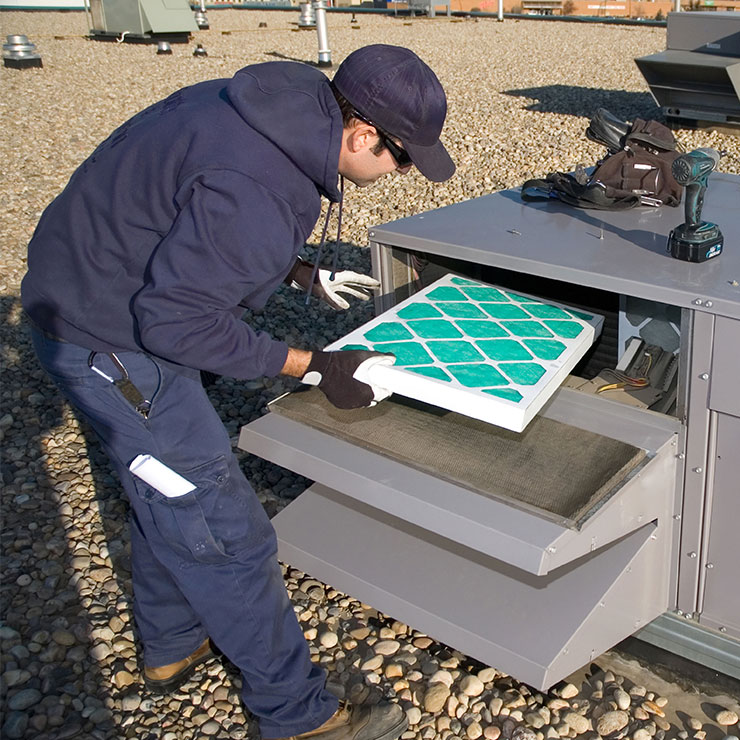
HVAC systems may provide a viable, rudimentary means of dispersing chemical or biological agents. Measures to reduce this risk may need to be considered

Guidance to provide high level, practical advice to anyone looking to formulate a Site Security Plan, assisting in developing a proportionate plan which aims to mitigate Terrorist and State threats, whilst supporting in countering many other types of security or safety threats.

Gunshot detection systems typically comprise of sensors (optical and/or acoustic) that accurately and reliably detect live ammunition (gunshots) being discharged
All Levels
The risk to pedestrians from Vehicle As a Weapon (VAW) attack remains a realistic possibility. This advice note outlines the VAW threat and provides guiding and technical principles on how to reduce the risk to queuing people
Vehicle-borne threats range from vandalism to sophisticated or aggressive attack by determined criminals or terrorists
When installing Vehicle Security Barriers (VSBs) with concrete foundations, in addition to considering the specification of the concrete, the curing environment must also be considered
Updated suite of evidence-based guidance notes detailing good practices underpinning delivery of effective detection dog capability
New Preparing and Responding to a Chemical, Biological or Radiological (CBR) Incident guidance for security professionals.
This guidance is for Security Managers and/or Incident Managers, providing strategic and practical considerations for a site that they manage
This guidance is for Security Control Room staff, providing practical guidance for staff on how to prepare for and respond to an incident. This guidance is also useful for organisations that do not have a SCR function
Information Interoperability Government & Industry Interoperability Group (GIIG) Glossary
This guidance is for those procuring construction contracts within government and more widely who may be unfamiliar with the principles and practice behind information management (IM)
Good practice recommendations for checkpoint security screening of people and belongings at buildings and events, covering risk assessment, screening strategies, and available detection technologies and methods
This short guidance is intended to help those responsible for the procurement of a Private Security Contractor (PSC) for an event
This guidance helps organisations assess postal security risks and implement appropriate mail screening measures, including screening levels, physical protective measures and emergency procedures for handling suspicious items
Project Servator is a policing tactic that aims to disrupt a range of criminal activity, while providing a reassuring presence for the public
Guidance for dog handlers, trainers and kennel staff on meeting the welfare needs of working dogs during kennelling, including enrichment, housing and health monitoring
Guidance to assessing domestic window security, covering materials, locking mechanisms, hinges, glazing and installation methods, with practical advice on identifying and enhancing weaknesses against forced entry
Guidance on selecting, validating and using training samples for detection dogs, ensuring they deliver the operational detection capability you need.
Guidance on using training records to optimise detection dog performance, covering how to design, complete and securely store training session records for effective monitoring and development
Guidance for dog handlers and instructors on using concealments in detection dog training, including types of concealment, key considerations, and contamination control best practice